
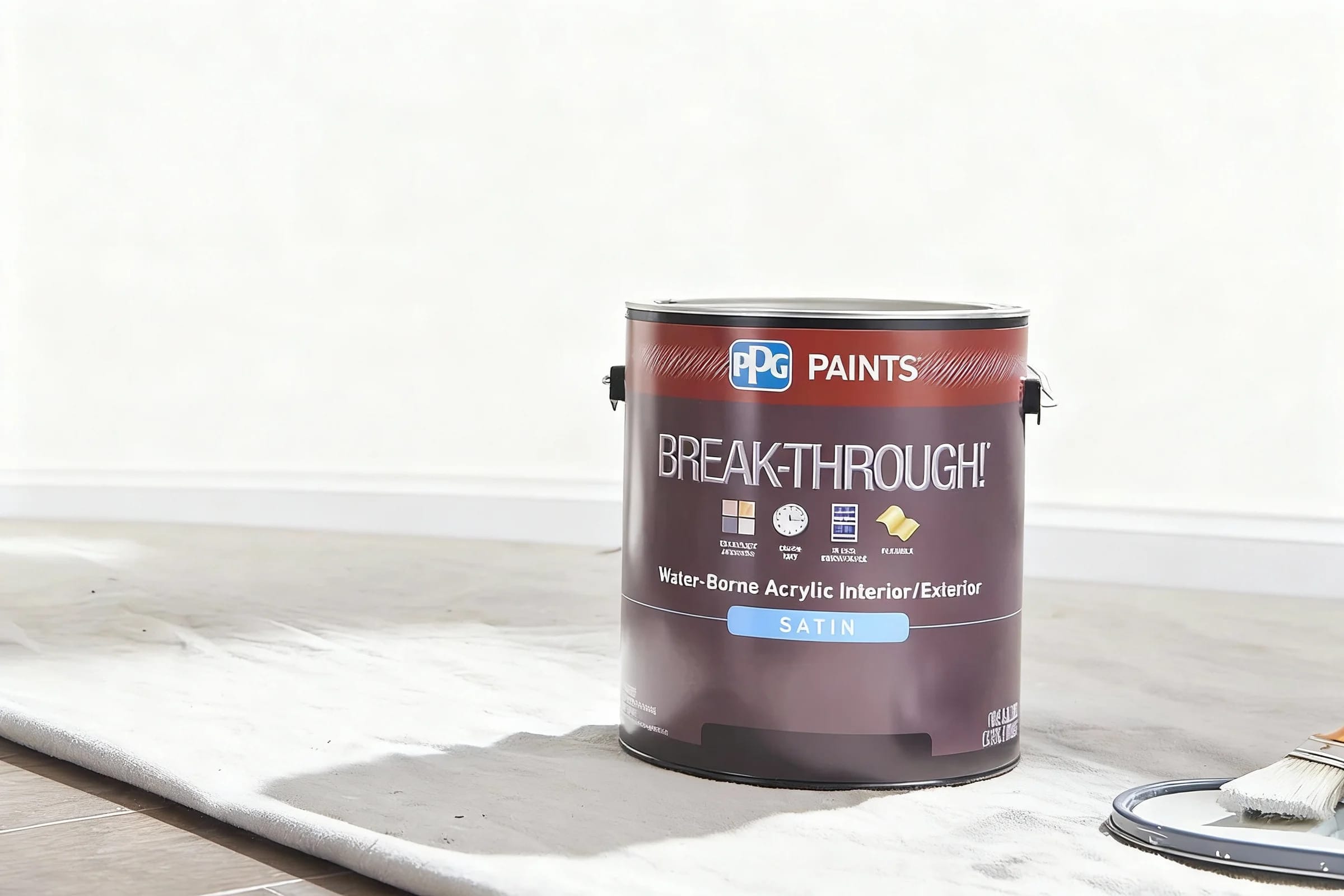
PPG Break-Through Paint: A Durable and Versatile Option
PPG Break-Through paint is a highly regarded waterborne acrylic enamel known for its exceptional quality and versatility.
With its excellent flow and leveling properties, fast drying time, and remarkable early block resistance, this paint is a popular choice for both interior and exterior applications.
One of the standout features of PPG Break-Through is that, in most cases, it doesn’t require a primer, saving you valuable time and effort.
In this comprehensive review, we will explore the formulation, uses, benefits, and potential considerations of using PPG Break-Through paint.
Understanding PPG Break-Through Paint
PPG Break-Through is recognized for its ultra-tough waterborne acrylic enamel formulation.
It is specifically designed to adhere to substrates that are typically challenging for other paints.
This exceptional bonding ability allows for application on various materials, including plastics, ceramic tiles, fiberglass, and laminates.
Additionally, this paint can be applied to both vertical and horizontal surfaces, making it highly versatile for a range of projects.
The Formulation and Properties of PPG Break-Through Paint
PPG Break-Through paint is available in two formulas: the “old” formula and the “new” formula.
The new formula was developed to meet stricter EPA guidelines, resulting in significantly lower Volatile Organic Compounds (VOC) levels.
The old formula has a VOC rating of 250, while the new formula boasts a VOC rating of only 50.
Despite the lower VOC levels, the new formula maintains the same degree of hardness as standard alkyds, ensuring durability and protection.
When fully cured, PPG Break-Through paint forms a hard surface similar to fully cured oil or alkyd paints.
This hardness allows for easy cleaning, as oils or food stains can be wiped off with mild detergent and water.
The paint also offers flexibility, enabling it to endure extreme deformations and bends without peeling or cracking.
Recommended Applications of PPG Break-Through Paint

PPG Break-Through paint is suitable for a wide range of substrates and materials.
Its exceptional adhesion and durability make it an ideal choice for various applications, including:
- Architectural plastics
- Interior wood
- Vinyl
- Aluminum
- Laminate
- Gypsum wallboard-drywall
- Galvanized steel
- Fiberglass
- Ceramic tile
- Concrete
- Ferrous metal
- Concrete masonry blocks
- Plaster
- Flooring
These applications highlight the versatility of PPG Break-Through paint, making it a valuable option for both professional painters and DIY enthusiasts.
Benefits of PPG Break-Through Paint
PPG Break-Through paint offers several advantages that make it a preferred choice among painters and homeowners.
Let’s explore the key benefits of using this paint:
1. Fast Drying Time
One of the standout features of PPG Break-Through paint is its rapid drying time. Within just 15 to 20 minutes, the paint is dry to the touch, allowing for increased productivity and shorter project timelines.
The fast drying time also contributes to its remarkable early block resistance. When fully cured, the paint achieves a level of hardness comparable to or even better than standard alkyds, ensuring long-lasting results.
Despite its hardness, the paint remains flexible, like acrylic, making it resistant to peeling or cracking.
2. Low Chemical Odors
Compared to conventional paints, PPG Break-Through paint emits less strong and aggressive chemical odors.
Thanks to its lower VOC levels, the paint is less harmful to your health and offers a more pleasant painting experience.
3. No Primer Required
One of the most significant time-saving benefits of using PPG Break-Through paint is that, in most cases, it doesn’t require a primer.
This feature is particularly advantageous when painting plastics, fiberglass, laminates, and ceramic tiles.
By eliminating the need for a primer, you can streamline your painting process, reduce labor costs, and complete projects more efficiently.
4. Improved Viscosity and Flow
PPG Break-Through paint has a slightly higher viscosity, allowing for better handling and improved “sag” resistance.
This means that when applied to vertical surfaces, the paint is less likely to drip or run.
The superb flow and leveling properties of this paint ensure a smooth and even finish, regardless of whether you’re using a brush or a spray application method.
Working with PPG Break-Through Paint
While PPG Break-Through paint offers numerous benefits, it’s important to note that it requires some level of painting expertise.
Due to its fast drying time, it may not be suitable for beginners or those who require extensive time for corrections.
However, with some basic painting knowledge and skill, you can achieve exceptional results with this paint.
Tips for Using PPG Break-Through Paint
To ensure the best outcome when using PPG Break-Through paint, consider the following tips:
- Add a Latex Extender: To extend the “open time” and allow for more corrections, add a generous amount of latex extender to the paint.
- Attention to Detail: Given the fast drying time, pay close attention to ensure a smooth application. Be mindful of brush strokes, drips, or uneven coating.
- Consider Different Application Methods: PPG Break-Through paint can be applied with a brush, sponge roller, or spray. Experiment with different methods to achieve your desired finish.
Pros and Cons of PPG Break-Through Paint
While PPG Break-Through paint offers many advantages, it’s essential to consider both the pros and cons before deciding if it’s the right choice for your project:
Pros
- Fast drying time, allowing for shorter project timelines
- Easy cleanup with waterborne acrylic formulation
- Exceptional durability and resistance to peeling or cracking
- Smooth finish with excellent flow and leveling properties
Cons
- Coverage may require additional coats compared to other paints
- The finish may have a more matte appearance compared to other brands
- Leveling properties may not be as superior as some competitors
Recent Concerns and Conclusion
In recent years, some concerns have arisen regarding the performance of PPG Break-Through paint.
Complaints have been made about the paint becoming soft and sticky on cabinets after several months.
It’s crucial to note that these issues seem to be associated with the “new” formula with lower VOC levels.
However, the “old” formula, with a higher VOC rating, is still available in some stores.
If you choose to use PPG Break-Through paint, it may be advisable to opt for the old formula to ensure optimal hardness and protection.
Ultimately, it’s essential to conduct thorough research and consider the specific requirements of your project before making a buying decision.
***
In conclusion, PPG Break-Through paint offers a durable and versatile option for a range of applications.
Its excellent flow and leveling properties, fast drying time, and the ability to eliminate the need for a primer make it a preferred choice for many professionals and DIY enthusiasts.
While considering recent concerns, PPG Break-Through paint remains a reliable option, especially when using the original formula.


 Shery
Shery


