How Many Outlets on a 20 Amp Circuit?
When it comes to electrical circuits, it is crucial to understand the limitations and safety guidelines set by the National Electric Code (NEC).
While the NEC does not provide a specific code regarding the number of outlets you can put on a 20 amp circuit, there are certain restrictions and recommendations in place to ensure electrical safety.
In this article, we will explore the guidelines for how many outlets are considered safe on a 20 amp circuit and the important details you need to know.
Understanding the Rule of Thumb
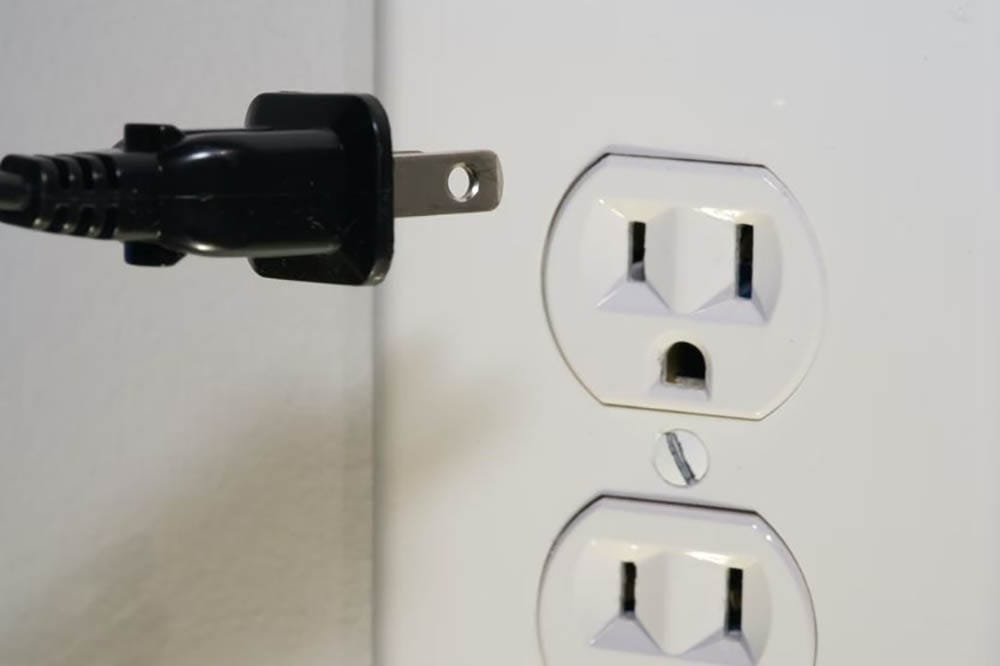
The rule of thumb for the number of outlets on a 20 amp circuit is to have no more than ten outlets.
This guideline follows the 80% circuit and breaker load rule, allowing a maximum load of 1.5 amps per outlet.
It is crucial to ensure that the wire sizes, outlets, and circuits are all compatible with each other to prevent electrical hazards like overheating.
The maximum limit of 1.5 amps per receptacle is a general rule that should always be followed.
This rule takes into consideration that not all receptacles will be in use simultaneously and provides a safety margin to prevent overload.
Even with this rule in place, the NEC still imposes a limit on the maximum power load that a circuit and its breaker should sustain, which should not exceed 80% of its indicated rating.
Capacity of a 20 Amp Circuit
A 20 amp circuit is the most common rating used for devices such as overhead lights and receptacles. It is typically adequate for powering one or two bedrooms.
When designing a circuit, it is important to consider the wire size required for different currents.
For a 20 amp circuit, a 10 or 12 gauge wire is typically used, while a 15 amp circuit uses a 14 gauge wire.
The lower the gauge number, the thicker the wire is for electrical currents. Using the wrong wire size can lead to overloading and potential hazards.
Preventing Overheating
While there is no specific limit on the number of outlets you can put on a 20 amp circuit, it is important to prevent overheating of the wires.
Multiple devices drawing power simultaneously can overload the circuit and cause the wires to overheat.
This can lead to the breaker tripping or, even worse, electrical fires.
To prevent overheating, it is crucial to evenly distribute the power drawn from a 20 amp circuit across several outlets.
NEC Requirements
The NEC has specific requirements in place to ensure electrical safety. One of these requirements is that a circuit should not supply more than 80% of the circuit breaker limit.
This ensures that the circuit breaker does not trip frequently and prevents electrical failure in your home.
According to this rule, a 20 amp circuit breaker should provide a current of no more than 16 amps, which is 80% of 20 amps.
This translates to a maximum of 1,920 watts of power when converted.
The 80% limit is recommended because power surges can occur when large appliances are turned on.
These power surges can use up the 20% reserve power and potentially overload the circuit.
It is important to keep in mind that the 80% regulation for a 20 amp circuit is 1,920 watts or 16 amps for the 120-volt system commonly used in U.S. households.
To comply with this rule, the number of outlets on a 20 amp circuit should not exceed ten.
Spreading Your Load
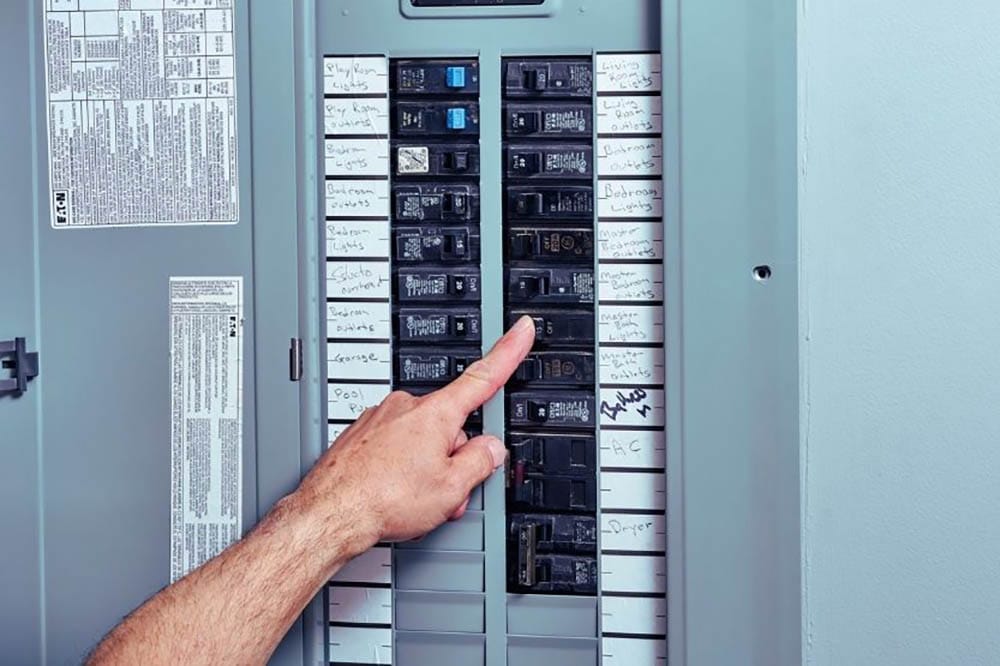
To comply with the NEC regulations and ensure the safe distribution of power on a 20 amp circuit, it is important to spread out your load.
There are a few strategies you can follow to achieve this:
- Combine electrical outlets and lights: Since lights typically use less power than appliances, you can combine them on the same circuit. It is recommended to have at least two outlets in your kitchen.
- Add lights to each circuit: Adding lights to each circuit helps balance the power load and eliminates the need for separate circuits solely for lighting purposes. However, some kitchen appliances may require dedicated circuits, such as dishwashers.
- Plan for power requirements: When planning the outlets for your 20 amp circuit, consider the power requirements of each electrical device or appliance. Limit the number of outlets if you plan to power a big appliance that draws a significant amount of power.
- Utilize separate circuits: Some areas of your home, such as garages, kitchens, and bathrooms, have electrical devices that require more than 1.5 amps. In these cases, it is advisable to dedicate separate circuits to prevent overload.
By following these strategies, you can effectively distribute the power load on your 20 amp circuit and avoid potential hazards.
Managing Your Outlets Properly
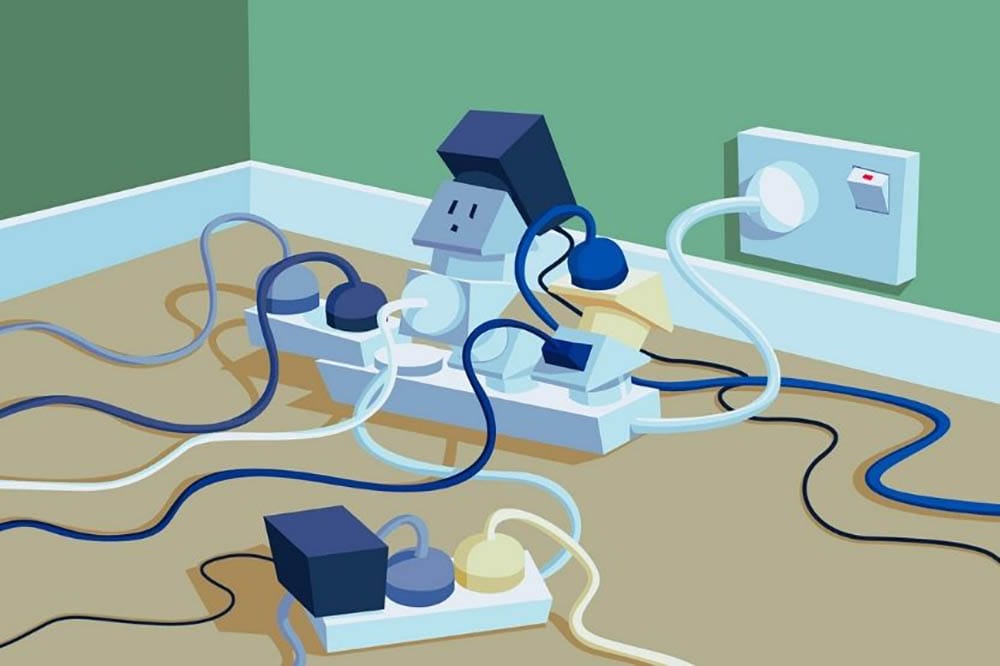
It is essential to manage your outlets properly to ensure the safe and efficient use of a 20 amp circuit.
Consider the power requirements of each appliance and device you plan to connect to the outlets.
Understanding the power usage of common household devices can help in determining the number of outlets needed for a 20 amp circuit.
Here are some examples of the amperes and watts typically used by various devices:
| Electrical Device | Amperes | Watts |
|---|---|---|
| Lamp with LED Bulb | 0.08 | 10 |
| 60 inch LCD TV | 1.66 | 200 |
| Electric Space Heater | 12.5 | 1500 |
| Cell phone Charger | 0.045 | |
| Curling Iron | 1.66 | 20 |
| Hair Dryer | 12.5 | 1500 |
| Toaster Oven | 10 | 1200 |
| Coffee Maker | 6.25 | 750 |
By considering the power usage of each device and the total power draw from a 20 amp circuit, you can determine the appropriate number of outlets needed.
Conclusion
In conclusion, the rule of thumb for the number of outlets on a 20 amp circuit is to have no more than ten outlets.
This guideline follows the 80% circuit and breaker load rule, allowing a maximum load of 1.5 amps per outlet.
It is crucial to ensure that the wire sizes, outlets, and circuits are all compatible to prevent overheating and potential hazards.
While there is no specific limit on the number of outlets, it is important to evenly distribute the power drawn from a 20 amp circuit to prevent overload.
Following the NEC requirements and spreading the load across circuits can help ensure the safe and efficient use of your electrical system.
Remember to always consider the power requirements of your appliances and devices when planning the outlets for a 20 amp circuit.
By managing your outlets properly and understanding the power usage of common household devices, you can ensure the safe and efficient operation of your electrical system.

 Shery
Shery