Line Vs Load: Understanding the Difference
When it comes to the world of electricity, there are certain terms that are essential to understand. Two such terms are “line” and “load.”
These terms refer to different aspects of an electrical circuit and play crucial roles in how electricity is distributed and used.
In this article, we will delve into the differences between line and load, their functions, and how they contribute to the overall electrical system.
Two Sides of an Electrical Circuit
To grasp the concept of line and load, it is important to first understand the two sides of an electrical circuit. Every electrical circuit consists of a line side and a load side.
The line side is where the electric supply is connected, while the load side is where the supplied power leaves the electrical box or device and flows down the circuit to where electricity is needed.
In simpler terms, the lines serve as conduits through which the electric current passes from the power source, usually the grid, to reach the load.
Think of the line side as the starting point of the electrical circuit, and the load side as the destination point where the electricity is utilized.
Line Wires: Carriers of Power
Line wires, also known as power supply lines, are responsible for receiving electricity from the power source, which is typically the electric utility company or the grid.
These wires are connected to the source and serve as the conduits through which electric current flows into a switch or electrical device.
Inside the electric cables that supply electricity to buildings and homes, there are usually three insulated line wires: hot, neutral, and ground.
Each of these wires has a specific function and is typically color-coded for easy identification.
The hot wire carries the current from the source, the neutral wire provides a return path for the current, and the ground wire ensures safety by preventing electrical shocks.
Load Wires: Destination of Power
Load wires, similar to line wires, consist of three wires: hot, neutral, and ground. These wires are also insulated for safety, just like line wires.
When electricians install load wires in a building or structure, they function as line wires, delivering electricity to various electrical devices and appliances.
The flow of electricity from the grid to your home is facilitated by the electric service panel, either located outside or inside your house.
The electric utility company steps down the electricity coming from the grid using an electric transformer, making it safe for use in your home.
From the electric service panel, electricity passes through the load wires to power the different electrical circuits and devices in your house.
Differentiating Line and Load Wires
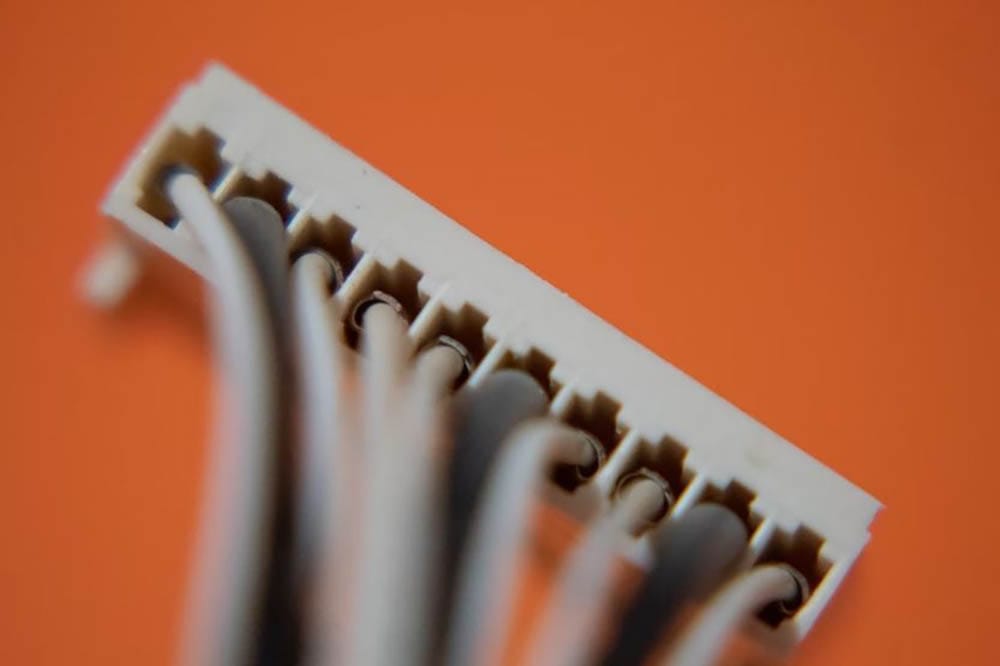
It is crucial to differentiate between line and load wires to ensure proper installation and operation of electrical devices.
While it may not always be necessary to distinguish between the two, certain situations require their identification.
In regular wall switches or single-pole, single-throw switches, where there are only two switch positions (open or closed), you can connect the live wire or line wire to either terminal.
However, in double-throw switches, the line and load terminals are directional and must be connected accordingly.
Ground fault interrupting outlets (GFIs) also clearly distinguish between line and load terminals.
These outlets are equipped with breakers that interrupt the flow of current in case of a surge, making it crucial to connect the line wire to the designated terminal for proper protection.
Identifying Line and Load Wires
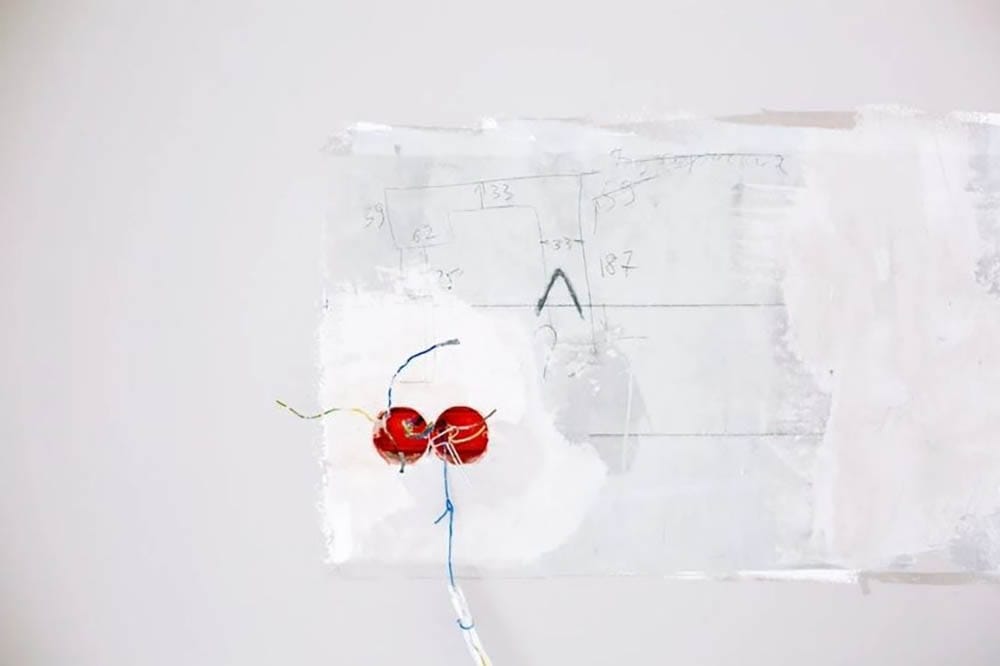
Identifying line and load wires can be challenging, especially if they are not clearly labeled. However, there are several methods to determine which wire is which:
- Colors: Electrical wires are often color-coded for easy identification. Line wires are typically black, load wires can be red or black, neutral wires are white or grey, and ground wires are green or green with yellow stripes.
- Position: The position of the wires in the electric panel or circuit breaker can provide clues. Line wires are connected to the bottom of the panel, while load wires come from the top.
- Neon Screwdriver: A screwdriver with a neon light inside its handle can be used to test the wires. When the neon light glows upon touching a wire, it indicates that it is the line wire.
- Multimeter: Using a multimeter set to the highest voltage setting, touching the wires with the probes can help identify the hot wire. The wire that generates a reading on the multimeter is the line wire.
By utilizing these methods, you can confidently identify line and load wires, ensuring proper installation and operation of electrical devices.
Line Vs Load: Shorthand Words in the Electrical Trade
In the electrical trade, the terms “line” and “load” are often used as shorthand to describe electrical wires in a circuit.
Line wires refer to the wires that deliver electricity from the source to a device, while load wires carry electricity onward to other devices connected to the circuit.
Electricians may also use other terms to refer to line and load wires, such as “incoming” (line) and “outgoing” (load) or “upstream” (line) and “downstream” (load).
These terms are used to distinguish between the wires connected to an electrical box and a single device.
It is important to note that the distinction between line and load wires can vary depending on the device’s location in the circuit.
The load wire for one receptacle can become the line wire for the next outlet downstream in the circuit.
Line and Load: The Flow of Electricity
To understand the flow of electricity in relation to line and load, it is essential to consider the concept of upstream and downstream.
The line wire carries power from the electric panel, representing the upstream flow of electricity. On the other hand, load wires carry power to devices downstream in the circuit.
The line wires connect the electric service panel, while the load wires connect to the subsequent electrical devices.
This continuous flow of electricity allows different electrical gadgets in your house to operate when switched on.
In summary, line wires serve as the connection to the incoming power source, while load wires carry electricity to other devices in the circuit.
Understanding the distinction between line and load is crucial for proper electrical installation and operation.
Conclusion
Line and load wires are fundamental components of electrical circuits, with distinct roles in the distribution and utilization of electricity.
While line wires receive power from the source, load wires carry that power to various devices downstream.
By differentiating between line and load wires and understanding their functions, you can ensure the safe and efficient operation of electrical systems in your home or building.
Remember to follow safety protocols and consult a professional electrician when dealing with electrical installations or repairs.
With a comprehensive understanding of line and load, you can navigate the world of electricity with confidence and make informed decisions regarding your electrical systems.


 Shery
Shery