5/4 Lumber Explained: Actual Size, Uses, and Buying Guide
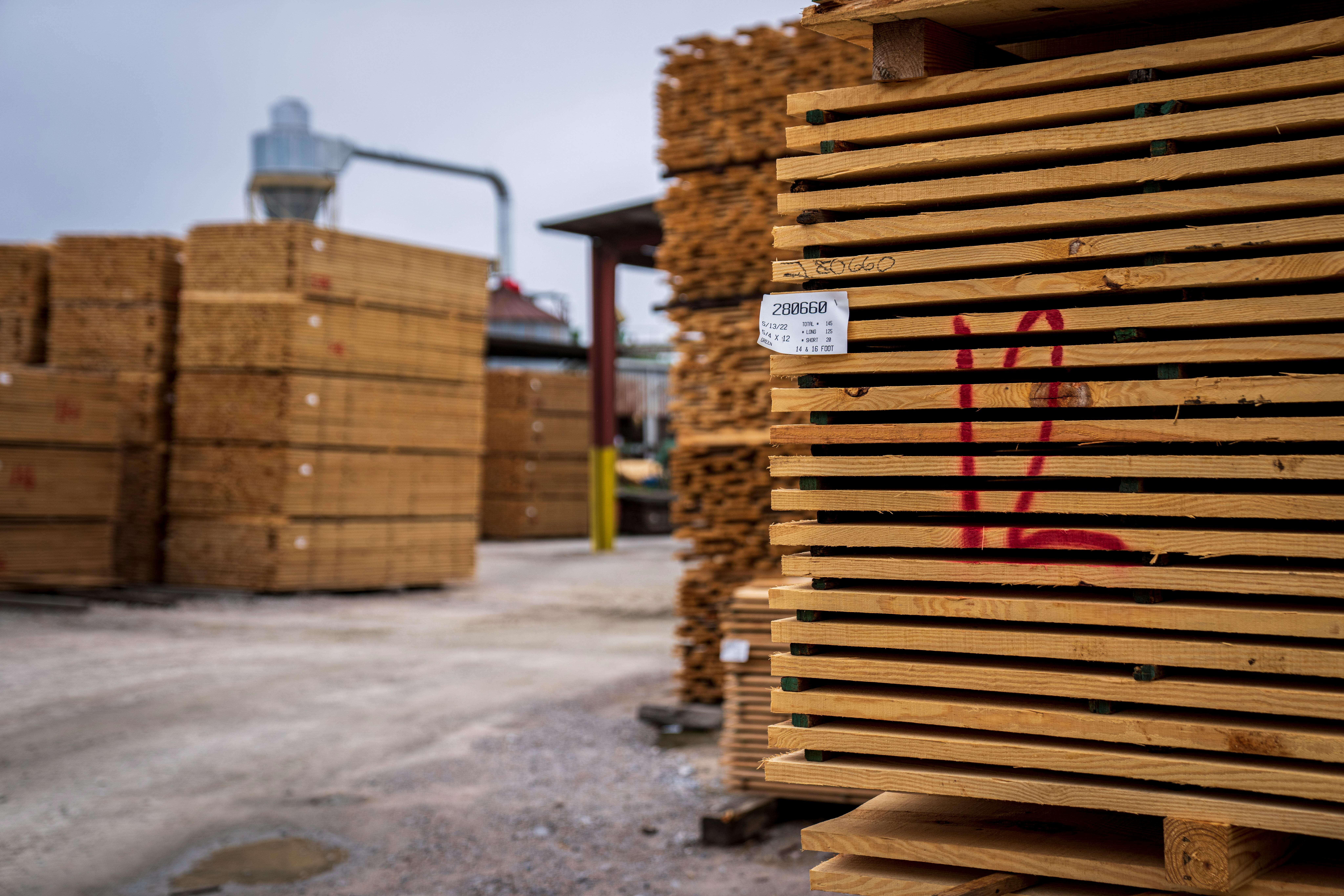
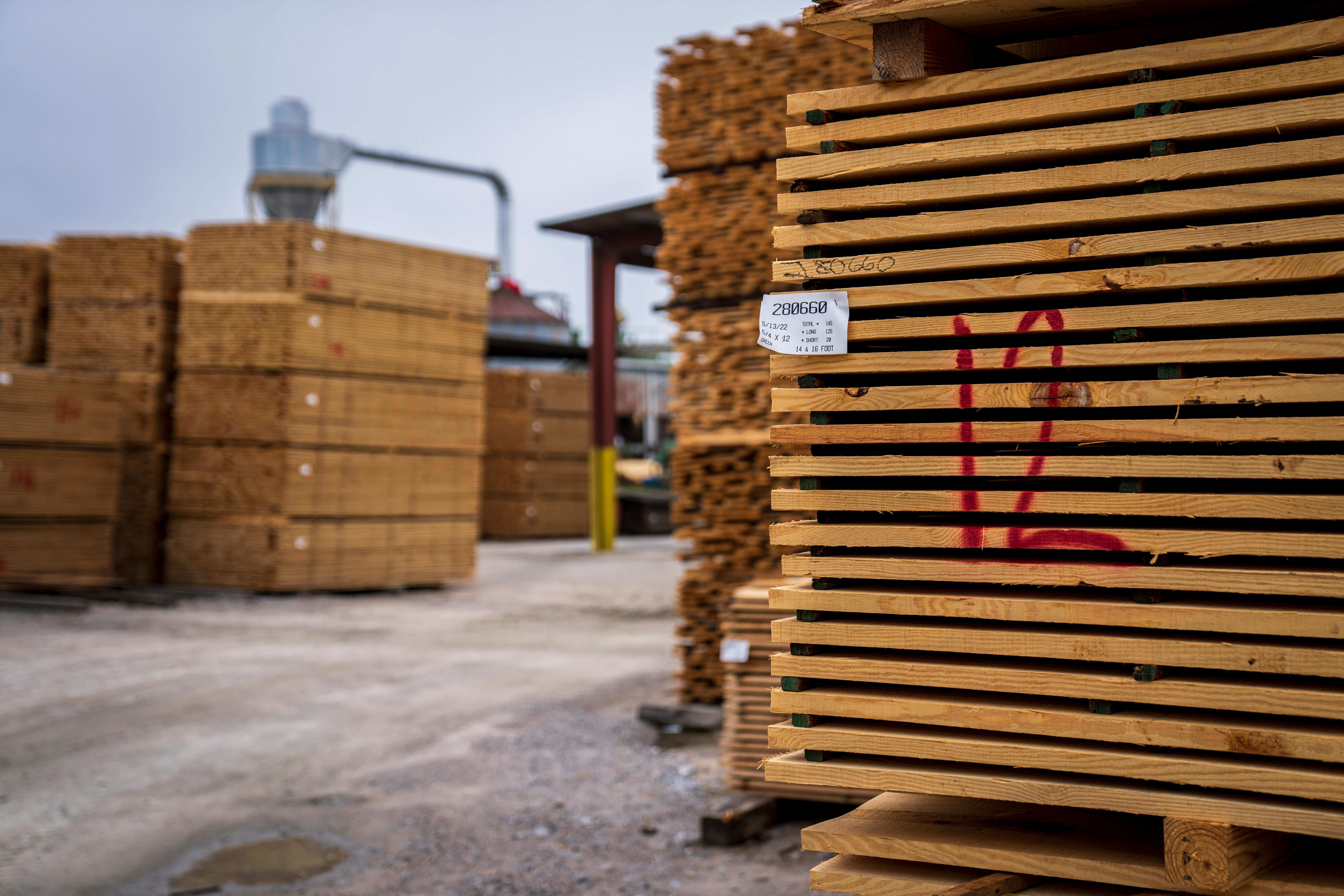
If you are new to woodworking or home improvement, the term 5/4 lumber can be confusing. It looks like a fraction, but it is not used the same way as common labels such as 1×6 or 2×4. In many lumberyards, especially those that sell hardwood, 5/4 is part of the quarter system used to describe board thickness.
In simple terms, 5/4 lumber means “five quarters of an inch.” That equals 1 1/4 inches in rough thickness. However, the board you receive may not measure exactly 1 1/4 inches after it has been surfaced, planed, dried, or milled. This is why many beginners ask why 5/4 lumber looks closer to 1 inch thick at the store.
This guide explains what 5/4 lumber means, its actual size, how it differs from 1x boards, how to calculate board feet, and when 5/4 stock is a good choice for furniture, shelves, tabletops, and decking.
What Does 5/4 Lumber Mean?
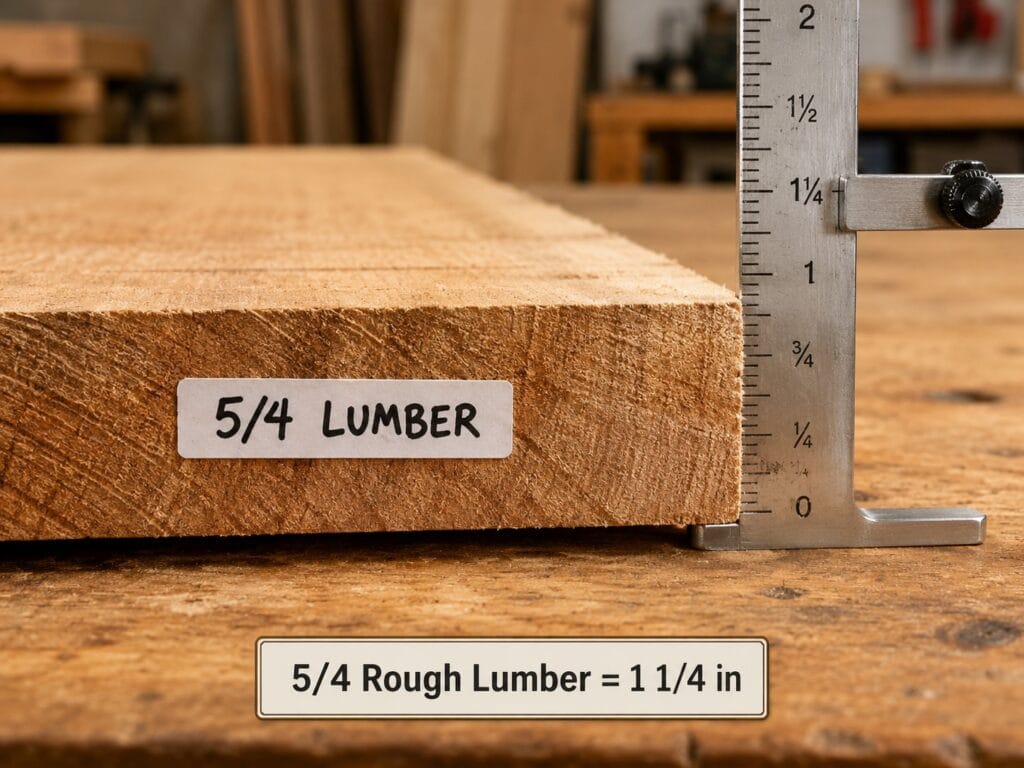
5/4 lumber is pronounced “five-quarter lumber.” It means the rough board was originally sawn to about five quarters of an inch thick.
Since each quarter equals 1/4 inch:
5/4 = 5 × 1/4 inch = 1 1/4 inches
So, 5/4 lumber starts as a rough board that is about 1.25 inches thick. The key word is rough. Once the board is dried, planed, surfaced, or sanded, the final thickness becomes smaller.
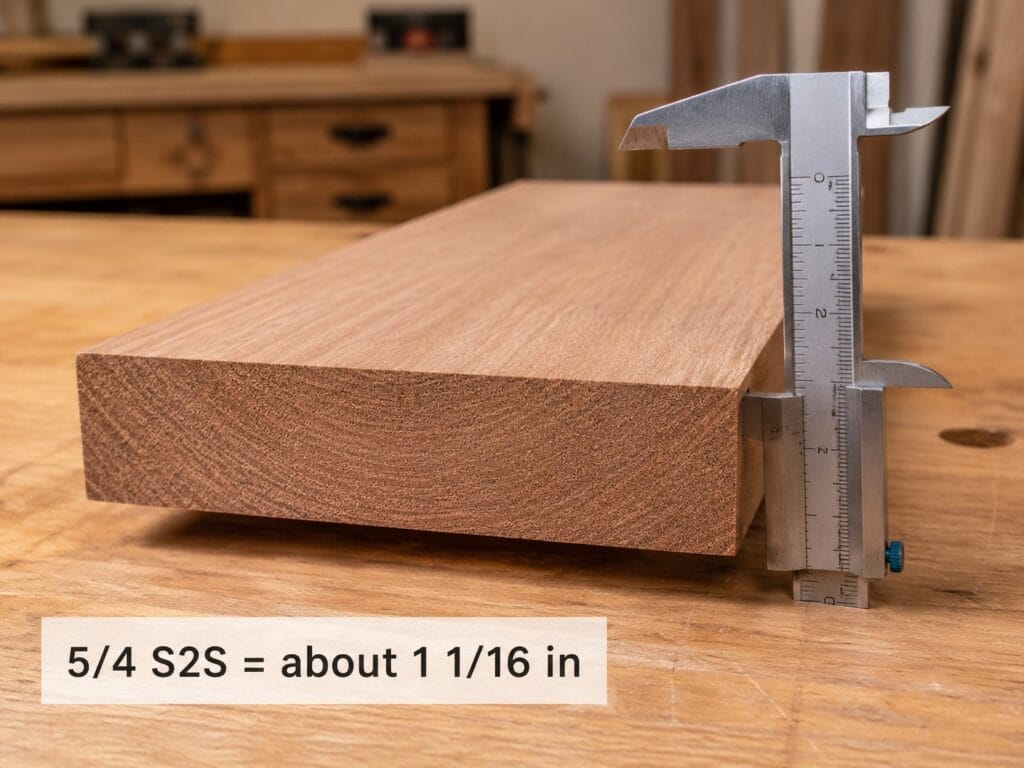
This is why 5/4 lumber often measures around 1 1/16 inches if it is surfaced two sides, and it may finish closer to 1 inch or slightly less after final milling, flattening, and sanding.
Rough Size vs. Actual Size
The most important thing to understand is the difference between rough thickness and actual finished thickness.
Rough lumber has not been fully planed smooth. It may have saw marks, uneven surfaces, and slight thickness variation. Surfaced lumber has been planed or milled to make it smoother, flatter, and easier to use.
A rough 5/4 board is about 1 1/4 inches thick. A surfaced 5/4 board is thinner because material has been removed during milling.
Common 5/4 Lumber Thickness
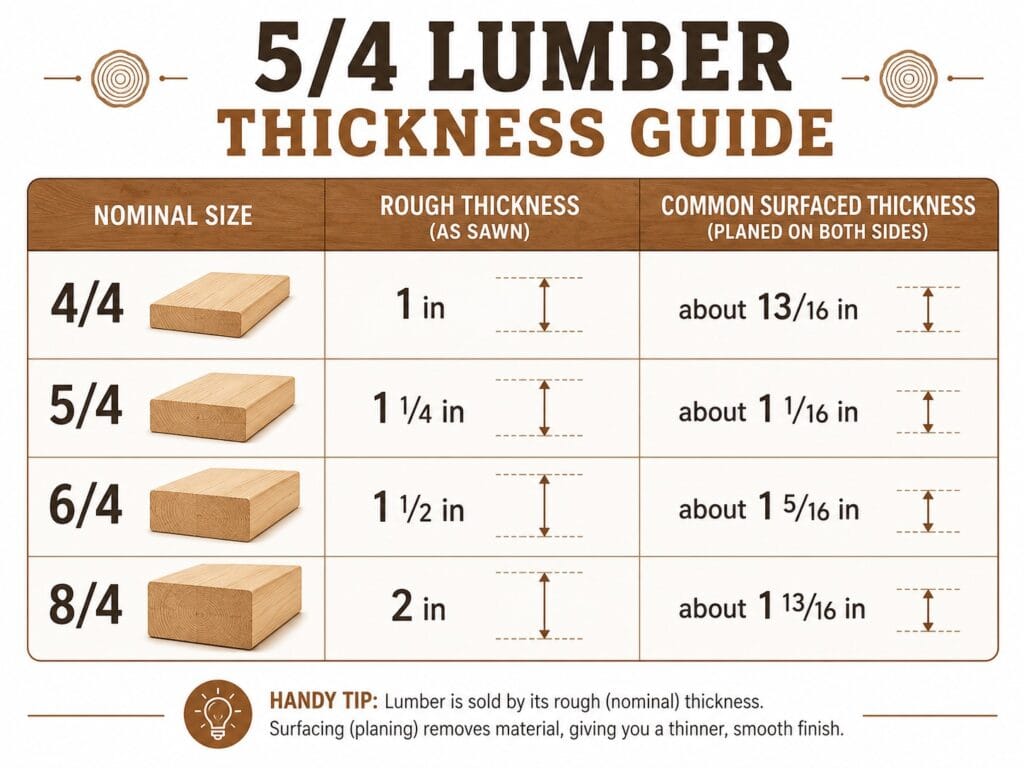
| Lumber Label | Rough Thickness | Common S2S Thickness | Possible Final Milled Thickness |
|---|---|---|---|
| 4/4 | 1 inch | About 13/16 inch | About 3/4 inch |
| 5/4 | 1 1/4 inches | About 1 1/16 inches | About 1 inch |
| 6/4 | 1 1/2 inches | About 1 5/16 inches | About 1 1/4 inches |
| 8/4 | 2 inches | About 1 13/16 inches | About 1 3/4 inches |
These values can vary by supplier, species, moisture content, and milling method. Always check the actual thickness before buying if the final size matters.
What Do S2S, S3S, and S4S Mean?
When shopping for lumber, you may see terms such as rough, S2S, S3S, or S4S. These describe how much milling has already been done.
Rough lumber
Rough lumber is sawn but not fully surfaced. It is usually thicker and cheaper per board foot than finished boards, but it requires tools such as a jointer, planer, or hand planes to prepare it for use.
S2S lumber
S2S means surfaced two sides. The top and bottom faces have been planed smooth, but the edges may still be rough. A 5/4 S2S board is commonly around 1 1/16 inches thick.
S3S lumber
S3S means surfaced three sides. Both faces are surfaced, and one edge is straightened. This is easier to work with than S2S because one clean edge helps with ripping and layout.
S4S lumber
S4S means surfaced four sides. Both faces and both edges are milled. This is the most ready-to-use option, but it also gives you less material to work with. A 5/4 S4S board may be close to 1 inch thick, depending on the supplier.
Is 5/4 Lumber Actually 1.25 Inches Thick?
It depends on when you measure it.
If the board is rough, 5/4 means about 1.25 inches thick. If the board is surfaced, it will be thinner. That does not mean the label is wrong. The label refers to the rough-sawn thickness category.
This is similar to how a 2×4 does not actually measure 2 inches by 4 inches after drying and surfacing. Lumber labels often describe the nominal or rough category, not the final finished size.
5/4 Lumber vs. 1x Lumber
A 1x board, such as a 1×6, is usually a dimensional board sold by nominal width and thickness. In many retail settings, a 1x board has an actual thickness of about 3/4 inch.
A 5/4 board is thicker. A surfaced 5/4 board often gives you about 1 inch of usable thickness after milling. This makes it stronger and more substantial than a typical 1x board.
Quick Comparison
| Feature | 1x Board | 5/4 Lumber |
| Common actual thickness | About 3/4 inch | Often about 1 inch after milling |
| Better for light trim | Yes | Sometimes too thick |
| Better for furniture parts | Sometimes | Often better |
| Better for shelves | Light-duty shelves | Stronger shelves |
| Better for tabletops | Thin look | More substantial look |
| Common at home centers | Yes | Yes for decking, less common for hardwood |
| Common at hardwood lumberyards | Less often as “1x” | Yes |
Common Uses for 5/4 Lumber
5/4 lumber is popular because it gives extra thickness without becoming too bulky. It is stronger than many 1x boards but easier to work with than heavier 6/4 or 8/4 stock.
1. Table tops
5/4 lumber is useful for tabletops because it can finish around 1 inch thick. This gives the top a solid look without making it too heavy.
It works well for:
- Coffee tables
- Dining tables
- Desks
- Console tables
- Work surfaces
2. Shelves
A 5/4 board can make stronger shelves than typical 3/4-inch boards. This helps reduce sagging, especially on wider spans.
It is suitable for:
- Bookshelves
- Floating shelves
- Pantry shelves
- Display shelves
- Utility shelves
For long shelves, thickness alone is not enough. You also need proper support, good joinery, and suitable wood species.
3. Furniture parts
Many furniture builders use 5/4 lumber for parts that need more thickness than standard boards.
Common examples include:
- Chair parts
- Bed rails
- Cabinet tops
- Drawer fronts
- Bench parts
- Table aprons
- Small legs or stretchers
4. Cutting boards and serving boards
Some woodworkers use 5/4 hardwood for cutting boards, serving boards, or charcuterie boards. The extra thickness gives a better feel and allows sanding during future maintenance.
Use only food-safe wood species and finish the board with a food-safe oil or finish.
5. Decking
5/4 decking is common for deck boards. In this context, 5/4 often refers to a deck board profile, such as 5/4×6. These boards may have rounded or eased edges and are designed for walking surfaces.
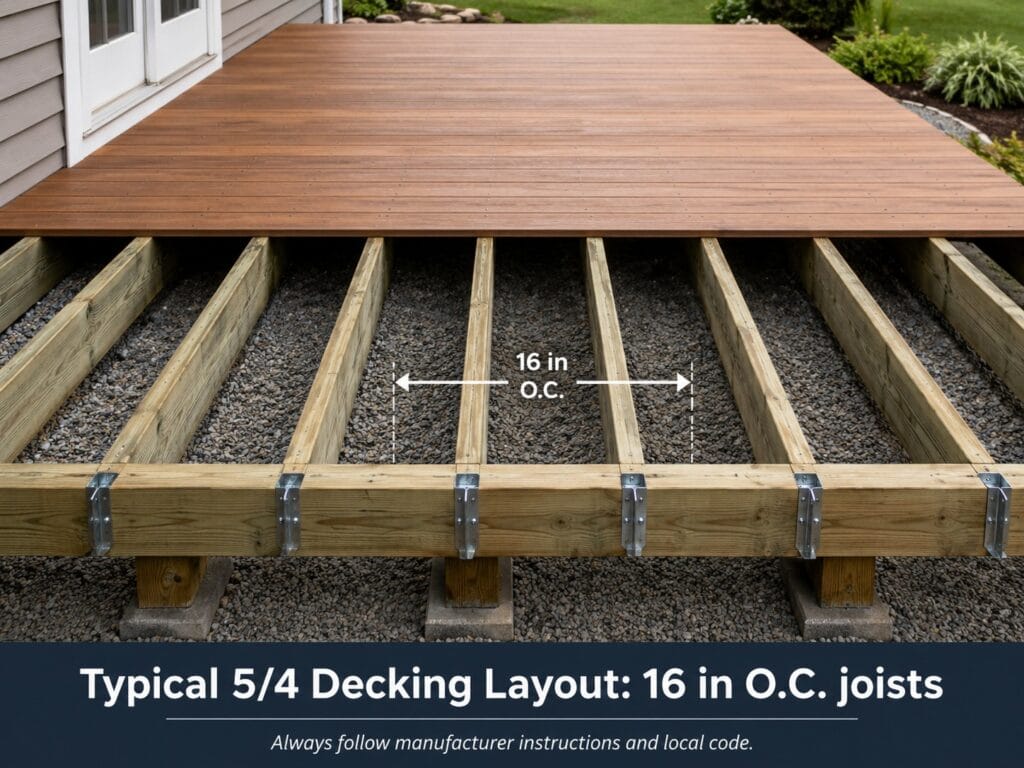
5/4 deck boards are usually thinner than 2×6 decking. They can work well when installed over properly spaced joists. Many residential deck systems use 16 inches on center as a common joist spacing, but the correct spacing depends on the material, board profile, species, installation angle, and local building code.
If you install decking diagonally or use a product with a lower span rating, tighter spacing may be required.
5/4 Hardwood vs. 5/4 Deck Boards
The term 5/4 can mean different things depending on where you shop.
At a hardwood lumberyard, 5/4 usually refers to rough or surfaced hardwood sold by the board foot. You may find 5/4 oak, walnut, maple, cherry, ash, mahogany, or poplar.
At a home center, 5/4 often appears in decking, especially pressure-treated deck boards. These are usually sold by the piece, not by the board foot.
Main Difference
| Type | Where You Find It | How It Is Usually Sold | Main Use |
| 5/4 hardwood | Hardwood lumberyard | Board foot | Furniture, shelves, tables |
| 5/4 pressure-treated decking | Home center | Per board | Outdoor decks |
| 5/4 cedar or redwood | Lumberyard or home center | Per board or board foot | Outdoor projects, trim, decking |
| 5/4 tropical hardwood | Specialty supplier | Board foot or per board | Premium decking, outdoor furniture |
How to Calculate Board Feet for 5/4 Lumber
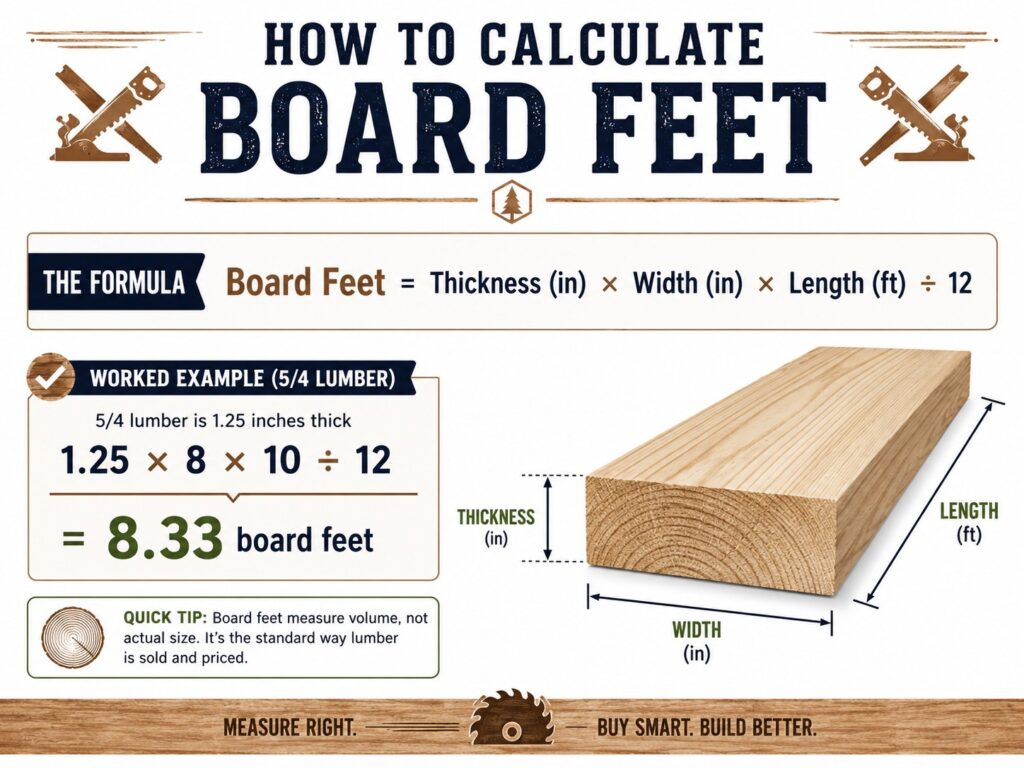
Hardwood lumber is often sold by the board foot. A board foot is a volume measurement. One board foot equals a board that is 1 inch thick, 12 inches wide, and 12 inches long.
Use this formula:
Board feet = Thickness in inches × Width in inches × Length in feet ÷ 12
For 5/4 lumber, the rough thickness is 1.25 inches.
Example
You want to buy one rough 5/4 board that is 8 inches wide and 10 feet long.
1.25 × 8 × 10 ÷ 12 = 8.33 board feet
So the board contains about 8.33 board feet.
If the lumberyard uses nominal rough thickness for pricing, the calculation uses 1.25 inches. If you are calculating actual usable volume after milling, measure the actual board thickness.
Board Foot Formula Using Inches Only
If all three measurements are in inches, use this formula:
Board feet = Thickness in inches × Width in inches × Length in inches ÷ 144
Both formulas are correct. The difference is the unit used for length.
How to Buy 5/4 Lumber
Before buying 5/4 lumber, ask these questions:
- Is it rough, S2S, S3S, or S4S?
- What is the actual thickness?
- Is the board kiln-dried?
- What is the moisture content?
- Is it sold by the board foot or by the piece?
- Is the width random or fixed?
- Are the boards straight and flat?
- Are there knots, cracks, checks, or splits?
- Is the wood suitable for indoor or outdoor use?
- How much thickness will remain after final milling?
These questions matter because two boards labeled 5/4 can be different in actual size, surface quality, and usability.
What to Check Before Buying
Flatness
Look for cup, bow, twist, and crook. A board can lose a lot of usable thickness if you need to flatten a severe warp.
End checks
Check the ends for cracks. Small checks may be trimmed off, but deep cracks reduce usable length.
Moisture
Wood that is too wet may move, shrink, or warp after the project is built. For indoor furniture, kiln-dried lumber is usually preferred.
Grain direction
Straight grain is easier to work with. Wild grain may look beautiful but can be harder to plane and sand.
Defects
Knots, bark pockets, insect damage, and splits may or may not matter depending on your project. Inspect the board before buying.
Is 5/4 Lumber Good for Decking?
Yes, 5/4 lumber can be good for decking when used correctly. Many deck boards are sold in 5/4 profiles. However, the board must match the framing, fasteners, spacing, and local code requirements.
For many residential decks, 5/4 boards are commonly installed over joists spaced 16 inches on center. If the boards are installed diagonally, if the material is less rigid, or if the deck will carry heavier loads, closer joist spacing may be required.
Always check:
- Manufacturer span rating
- Local building code
- Wood species or product type
- Board thickness
- Installation angle
- Fastener requirements
- Moisture content
- Required board spacing
Do not assume all 5/4 decking performs the same way. Pressure-treated pine, cedar, redwood, tropical hardwood, and composite boards can behave differently.
5/4 Lumber for Outdoor Projects
For outdoor use, choose wood that can handle moisture, sun exposure, insects, and seasonal movement.
Common outdoor options include:
- Pressure-treated pine
- Cedar
- Redwood
- Cypress
- Ipe
- Cumaru
- Garapa
- Thermally modified wood
Outdoor lumber needs proper fasteners and maintenance. Stainless steel or corrosion-resistant fasteners are often a better choice for treated lumber, tropical hardwoods, or coastal conditions.
Is 5/4 Lumber Strong?
5/4 lumber is stronger than a typical 3/4-inch board of the same species and width. The extra thickness can help reduce flexing and sagging. However, strength also depends on wood species, grain, grade, moisture content, span, and how the board is supported.
For example, a 5/4 oak shelf may feel much stronger than a 5/4 soft pine shelf of the same size. A short 5/4 shelf may stay flat, while a long unsupported shelf may still sag.
Thickness helps, but it does not replace proper design.
When Should You Choose 5/4 Lumber?
Choose 5/4 lumber when you want:
- A finished thickness near 1 inch
- A stronger shelf than 3/4-inch stock
- A more substantial furniture part
- A tabletop with better visual weight
- A deck board profile
- Material that allows some room for flattening and sanding
Avoid 5/4 lumber when:
- You need a very thin trim piece
- You want the lowest-cost material
- You do not have tools to mill rough lumber
- You need structural framing lumber
- Your plan requires exact 1 1/4-inch finished thickness
Common Mistakes to Avoid
Mistake 1: Thinking 5/4 finished lumber is always 1.25 inches thick
5/4 refers to rough thickness. Surfaced boards are thinner.
Mistake 2: Confusing 5/4 with 1x lumber
A 1x board is often about 3/4 inch thick. A 5/4 board usually gives more usable thickness.
Mistake 3: Forgetting milling loss
Flattening, planing, and sanding remove material. Buy thicker stock if your final dimension must be exact.
Mistake 4: Using 5/4 decking over joists that are too far apart
Check the span rating and local building code. Wider spacing can cause bounce or board movement.
Mistake 5: Calculating board feet with the wrong formula
If length is in feet, divide by 12. If length is in inches, divide by 144.
Mistake 6: Ignoring moisture content
Wet wood can shrink, cup, or twist after installation.
FAQ About 5/4 Lumber
What does 5/4 mean in lumber?
5/4 means five quarters of an inch. It refers to rough lumber that is about 1 1/4 inches thick before surfacing.
How thick is 5/4 lumber actually?
Rough 5/4 lumber is about 1 1/4 inches thick. Surfaced 5/4 lumber is usually thinner, often around 1 1/16 inches for S2S and closer to 1 inch after final milling.
Is 5/4 the same as 1 inch?
No. Rough 5/4 starts at about 1 1/4 inches. After surfacing and final milling, it may finish near 1 inch, but it is not the same as a standard 1x board.
What is 5/4 lumber used for?
It is commonly used for furniture, shelves, tabletops, cutting boards, benches, outdoor projects, and decking.
Is 5/4 lumber good for shelves?
Yes. 5/4 lumber is often better than 3/4-inch stock for shelves because the extra thickness helps reduce sagging. Long shelves still need proper support.
Is 5/4 lumber good for decks?
Yes, if installed correctly. Many deck boards are sold as 5/4 profiles. Follow the required joist spacing, manufacturer instructions, fastener requirements, and local building code.
How do I calculate board feet for 5/4 lumber?
Use this formula: thickness in inches × width in inches × length in feet ÷ 12. For rough 5/4 lumber, use 1.25 inches as the thickness unless your supplier tells you otherwise.
Should I buy rough or S4S 5/4 lumber?
Buy rough lumber if you have milling tools and want more control. Buy S4S lumber if you want a board that is easier to use right away.
Conclusion
5/4 lumber means the board was originally sawn to about 1 1/4 inches thick. After surfacing, planing, and sanding, the actual thickness is smaller. This is why a 5/4 board often finishes around 1 inch thick.
The main advantage of 5/4 lumber is extra usable thickness. It is stronger and more substantial than many 1x boards, but it is not as bulky as 6/4 or 8/4 stock. It works well for furniture, tabletops, shelves, cutting boards, and decking when used correctly.
Before buying, check whether the board is rough, S2S, S3S, or S4S. Ask for the actual thickness, understand how board feet are calculated, and choose the right species for your project. A 5/4 label tells you the thickness category, but the real value comes from matching the board to the job.


 Shery
Shery