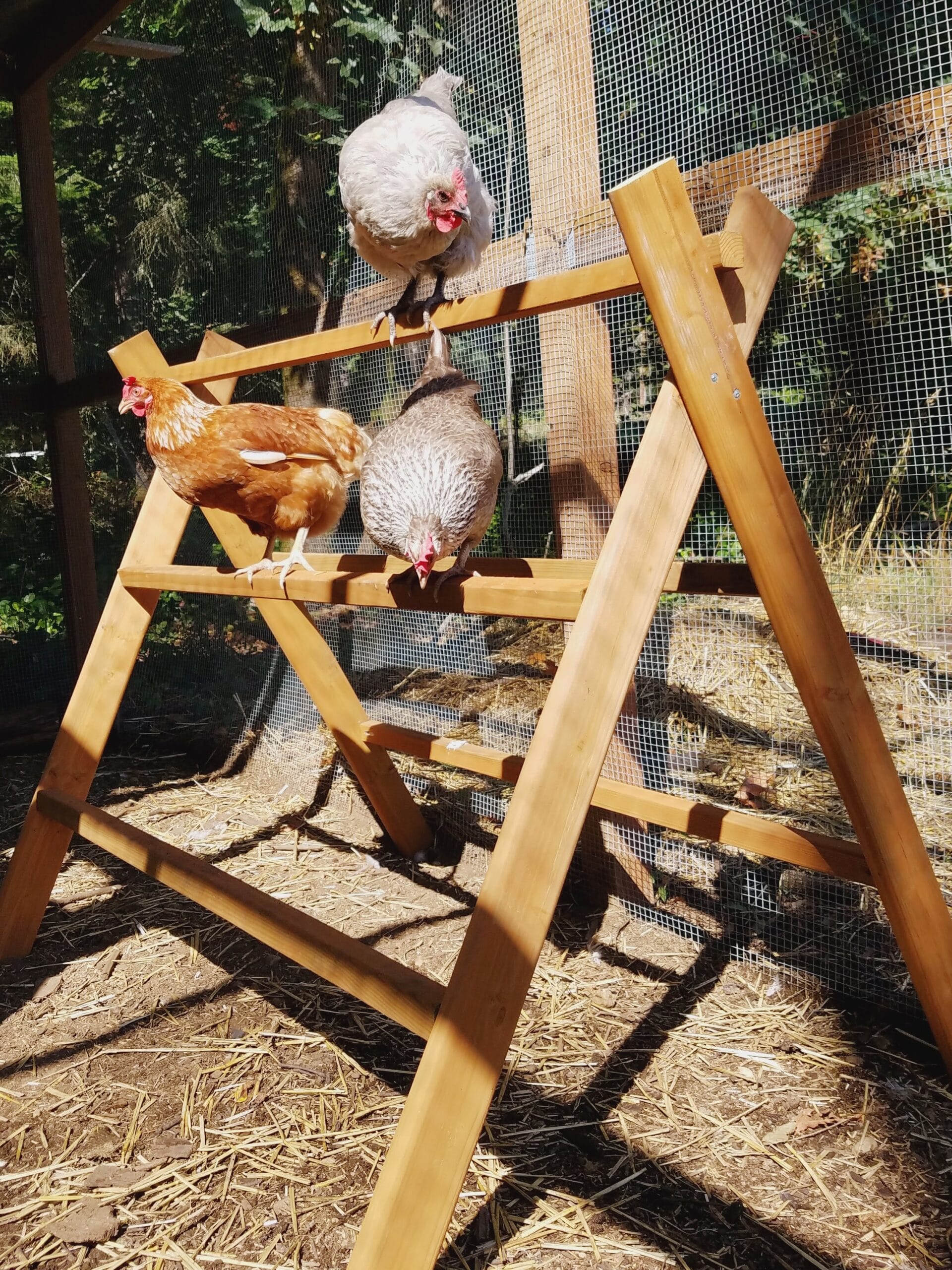
Chicken Roosting Bars: The Ultimate Guide for a Happy and Healthy Flock
Keeping your chickens comfortable and safe is essential for their well-being, and one of the most important aspects of their housing is the provision of chicken roosting bars.
This comprehensive guide will cover everything you need to know about chicken roosting bars, including their purpose, material, location, width, height, length, and how many roosting bars per chicken are needed.
We’ll also delve into some creative chicken roosting ideas to make your coop a cozy haven for your flock. Let’s get started!
The Importance of Chicken Roosting Bars
Why Do Chickens Need Roosting Bars?
Chickens prefer to sleep high off the ground, as it keeps them safe from predators and helps maintain their pecking order.
The higher-ranking chickens will choose the highest perches, leaving the lower and more vulnerable spots for those lower in the flock hierarchy.
Having designated roosting bars also reduces the risk of exposure to pathogens, bacteria, and external parasites such as mites and lice.
Benefits of Roosting Bars for Chickens
Roosting bars provide several benefits for chickens, including:
- Safety: A higher perch keeps chickens safe from ground-dwelling predators.
- Hygiene: By sleeping off the ground, chickens avoid contact with bacteria and parasites.
- Comfort: Chickens prefer to sleep flat-footed, and roosting bars provide an ideal surface for them to do so.
- Pecking Order: Roosting bars help maintain the natural hierarchy within the flock.
Choosing the Right Material for Chicken Roosting Bars
When selecting materials for your chicken roosting bars, consider the following options:
Sturdy Branches
Using natural branches can provide a comfortable, irregular surface for your chickens to grip.
Ensure the branches are strong enough to support the weight of your flock and remove any sharp edges or splinters.
Wooden Ladders or Boards
Ladders or boards can serve as excellent roosting bars. If using boards, opt for a 2×4 with the 4″ side facing up, rounding the edges for added comfort.
Sand down any splinters and ensure the wood is untreated to prevent exposure to harmful chemicals.
Avoid Plastic or Metal Pipes
Plastic and metal pipes should be avoided as they can be too slippery for chickens to grip properly.
Metal pipes can also get cold in the winter, increasing the risk of frostbitten feet.
Where to Position Chicken Roosting Bars in the Coop
Location Considerations
When deciding where to place your chicken roosting bars, consider the following factors:
- Ease of Cleaning: Chickens tend to poop while they sleep, so position the roosting bars in an area that makes it easy to remove droppings and soiled litter.
- Avoid Nesting Boxes and Feeders: Keep roosting bars away from nesting boxes and feeders to prevent contamination.
- Ventilation and Temperature: Ensure the roosting area has adequate ventilation and isn’t exposed to drafts or extreme temperatures.
How High Should Roosting Bars Be?
Roosting bars can be as low as one foot off the ground or as high as one foot from the ceiling.
If placing the roost higher than two feet, consider staggering multiple roosting bars at different heights, like stairs.
This will make it easier for chickens to access the roost without injuring themselves.
Width and Height of Chicken Roosting Bars
Width Requirements
Chicken roosting bars should be at least 2 inches wide, preferably 4 inches.
Chickens don’t wrap their feet around the perch like wild birds; instead, they prefer to sleep flat-footed.
A wider roosting bar provides better support and helps protect their feet from frostbite and rodents.
Height Considerations
As mentioned earlier, the height of chicken roosting bars can vary depending on your coop’s size and design.
Ensure there is enough headroom between roosts (at least 15″) to prevent chickens from defecating on those perched below them.
How Many Roosting Bars Per Chicken?
Each chicken should have at least 8 inches of roosting bar space.
More space is always better, but chickens tend to snuggle together for warmth in winter and use each other for balance.
In the summer, they’ll appreciate having room to spread out.
Chicken Roosting Ideas: Make Your Coop Comfortable and Functional
Creative Roosting Bar Designs
To add some flair to your chicken coop, consider these chicken roosting ideas:
- Swinging Roosts: Attach sturdy ropes or chains to your roosting bars to create a swinging perch for your chickens to enjoy.
- Multi-Level Roosts: Create a tiered roosting area with several platforms at varying heights.
- Naturalistic Roosts: Incorporate natural materials like tree branches or logs to mimic a more natural environment.
Additional Chicken Roosting Ideas
In addition to creative roosting bar designs, consider these ideas for a comfortable and functional coop:
- Roosting Bar Ladders: Create a ladder-like structure with roosting bars at different heights for easy access.
- Drop Pans for Easy Cleaning: Place removable pans beneath the roosting bars to catch droppings for easy cleaning.
- Roosting Bar Covers: Install covers above the roosting bars to protect your flock from drafts and provide added insulation during colder months.
Final Thoughts on Chicken Roosting Bars
A well-designed chicken coop, complete with comfortable and functional chicken roosting bars, is essential for maintaining a happy and healthy flock.
By considering factors such as material, location, width, height, and the number of roosting bars per chicken, you can create a cozy haven for your chickens to rest and sleep.
Plus, with creative chicken roosting ideas, you can make your coop not only functional but also visually appealing. Happy roosting!


 Shery
Shery